
Introducing Kevin Warsh – Chairman of the Federal Reserve

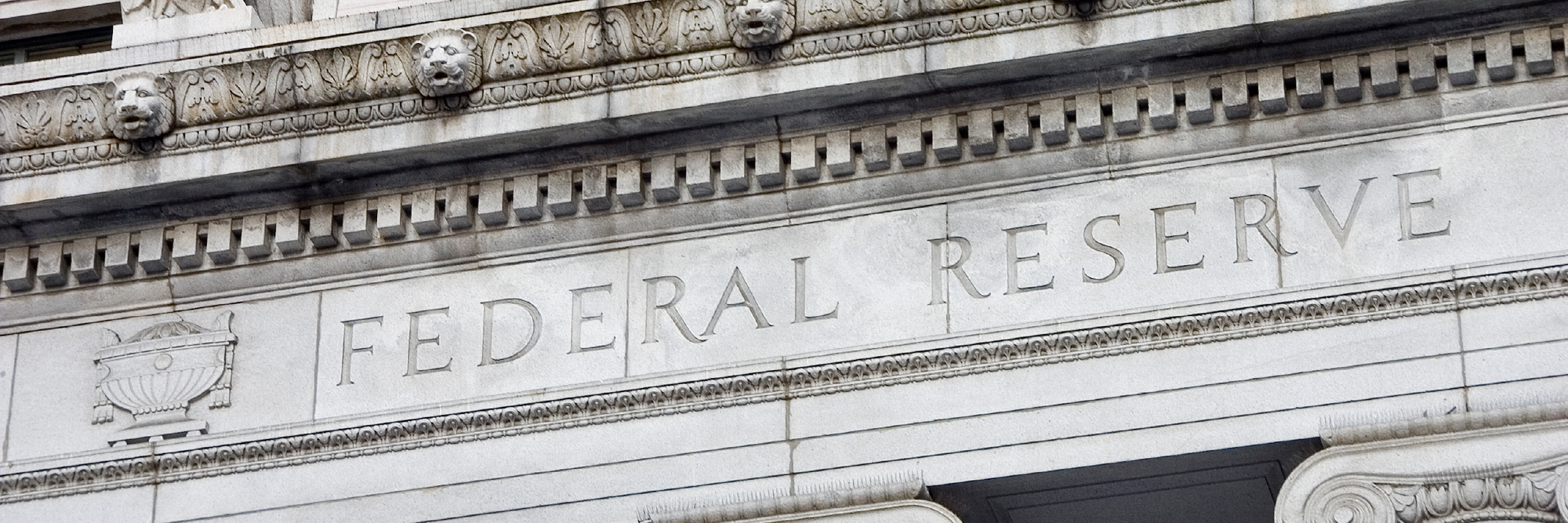
Kevin Warsh became the seventeenth chair of the Federal Reserve on May 22, 2026, following his nomination by President Donald Trump to succeed Jerome Powell. He was later confirmed by the U.S. Senate. A veteran of Wall Street, the White House, central banking and academia, Warsh brings a market-focused perspective to the role and is widely viewed as supportive of policies that encourage economic growth, efficient capital markets and private-sector investment.
For investors, Warsh's appointment is notable because of his extensive experience at the intersection of financial markets and monetary policy. His career has included senior positions in investment banking, direct involvement in economic policymaking during the Bush administration, service as a Federal Reserve governor during the global financial crisis and advisory roles within both academia and private finance.
Education and Early Career
Born in Albany, N.Y., in 1970, Warsh earned a bachelor’s degree in public policy from Stanford University in 1992, with a concentration in economics and statistics. He later received his Juris Doctor from Harvard Law School, and then completed additional studies in market economics and debt capital markets through programs at Harvard Business School and the Massachusetts Institute of Technology (MIT).
Warsh began his professional career at Morgan Stanley & Co., where he worked in the firm's Mergers and Acquisitions division. He was eventually promoted to the rank of vice president and executive director, where he advised corporations on strategic transactions, capital raising and corporate finance matters across multiple industries. The experience provided him with a deep understanding of financial markets and capital allocation that would later shape his views on economic policy.
White House Economic Policy Role
In 2002, President George W. Bush appointed Warsh as special assistant to the President for economic policy and executive secretary of the National Economic Council. In this role, he advised senior administration officials on economic policies, financial markets, banking and investment regulation.
Warsh also served as a key liaison between the White House and major financial regulators, including the Securities and Exchange Commission (SEC) and the Federal Deposit Insurance Corporation (FDIC). His work during this period gave him first-hand experience with financial regulation and the interaction between government policy and capital markets that helped him in future roles.
Federal Reserve Governor During the Financial Crisis
Warsh joined the Federal Reserve Board of Governors in 2006 after being appointed by President Bush. At age 35, he became the youngest governor in Federal Reserve history.
His tenure coincided with one of the most turbulent periods in modern financial history. During the 2007–2008 financial crisis, Warsh played a central role in communications and negotiations between the Federal Reserve and major financial institutions. As Chairman Ben Bernanke's principal liaison to Wall Street, he participated in discussions surrounding several landmark interventions, including the acquisition of Bear Stearns by JPMorgan Chase and several controversial bailouts, including the government-supported rescue of AIG.
The crisis experience established Warsh as a prominent figure within U.S. economic policymaking and provided him with direct exposure to the challenges of maintaining financial stability during periods of systemic stress.
Views on Monetary Policy
Warsh became increasingly skeptical of the Federal Reserve's post-crisis quantitative easing programs and expressed concerns about the long-term risks associated with prolonged monetary accommodation. While supportive of emergency actions taken during the financial crisis, he later argued that large-scale asset purchases could distort market signals, encourage excessive risk-taking and ultimately contribute to inflationary pressures.
His resignation from the Federal Reserve in March 2011, prior to the expiration of his term, was widely reflective of growing differences over the direction of monetary policy.
Investors often view Warsh as a policymaker who places significant emphasis on market functioning, inflation credibility and the potential unintended consequences of extended central bank intervention. More recently, Warsh has come out as a strong proponent of the idea that artificial intelligence is a disinflationary force driven by major productivity gains. He has suggested that this surge in productivity could allow for lower interest rates without risking a spike in inflation.
Post-Fed Career
Following his departure from the Federal Reserve, Warsh pursued roles across academia, policy research and private investment management.
At Stanford University, he served as the Shepard Family Distinguished Visiting Fellow in Economics at the Hoover Institution and lectured at the Stanford Graduate School of Business. He also conducted an independent review of the Bank of England's monetary policy framework, contributing recommendations aimed at improving transparency and decision making.
Warsh later joined the Duquesne Family Office, the investment organization led by billionaire investor Stanley Druckenmiller, where he served as a partner and advisor. His work there further deepened his exposure to global macroeconomic trends, capital markets and investment strategy.
Additionally, he served on the boards of several major corporations, including UPS and Coupang, while participating in leading policy organizations such as the Group of Thirty and the Congressional Budget Office's Panel of Economic Advisers.
Why Investors Are Paying Attention
Warsh's combination of central banking experience, Wall Street expertise and private-sector investment exposure distinguishes him from many recent Federal Reserve leaders. Supporters argue that his market-oriented approach could strengthen the Fed's focus on price stability, policy credibility and financial-market efficiency. Critics contend that his close ties to financial markets may influence how he balances inflation control, employment objectives and financial stability concerns.
Because Warsh was appointed by President Trump, who has been advocating for lower rates for some time, Fed independence will be an important issue during Warsh’s term.
During his confirmation, Warsh emphasized his commitment to the Fed’s institutional independence. President Trump recently shifted his tone, stating that he intends to let Warsh govern as he sees fit, free from the White House’s influence.
Warsh has historically been associated with a more hawkish stance, but recent statements have shown he may be moving to the “dovish” side. His statements regarding overhauling inflation metrics, aggressively shrinking the balance sheet and changing how the fed communicates will be some of his priorities in his new role.
Despite these plans, the Federal Reserve is a consensus-driven body, where change requires the backing of the Federal Open Market Committee (FOMC) and where many regional presidents and governors remain cautious about cutting rates too quickly while threats to inflation remain elevated.
We’ll get our first glimpse at how Warsh’s leadership impacts Fed decisions and monetary policy at the June FOMC meeting in just a couple weeks. Stay tuned…
Roger Heidlebaugh serves as Vizo Financial’s portfolio strategist. He acts as an investment consultant for credit unions, helping them to manage their fixed income investments, jumbo CDs and deposit accounts. On the corporate side, he analyzes, monitors and facilitates liquidity funding and investment solutions for Vizo Financial. Mr. Heidlebaugh is well-versed in the financial services industry, with over 14 years of experience as a financial advisor and expertise in managed accounts, various annuities, life insurance, investments and more.